

For many Muslims, Omrah is a deeply spiritual journey that combines faith, devotion, and tradition. Alongside preparing for this sacred pilgrimage, embracing cultural attire and customs enriches the experience. Among the key elements that highlight modesty, beauty, and heritage during Omrah are the kaftan and henna—two timeless traditions that add grace and meaning to the pilgrimage.
The Elegance of the Kaftan During Omrah
The kaftan is a classic garment celebrated for its loose, flowing design, combining comfort and modesty—an ideal match for the holy atmosphere of Omrah. Originating from Middle Eastern and North African cultures, kaftans are known for their beautiful embroidery, luxurious fabrics, and versatile styles.
During Omrah, many pilgrims choose kaftans for their ease of wear and respectful coverage. Made from soft, breathable materials such as silk or cotton, kaftans allow for comfort in the warm climate of the holy cities. Whether for travel, rituals, or gatherings, the kaftan’s elegant yet simple design reflects both devotion and cultural pride.
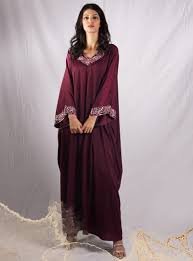
Modern kaftans also incorporate contemporary colors and embellishments, allowing each wearer to express individuality while honoring tradition. Choosing the right kaftan for Omrah combines practicality with spiritual respect.
Henna: A Sacred and Artistic Tradition
Henna holds a special place in Islamic culture, symbolizing joy, blessing, and beauty. Applying henna is a ritual often associated with celebrations, including weddings and religious occasions like Eid. For pilgrims performing Omrah, henna adds a layer of sacred artistry to the experience.
Before or during Omrah, women commonly adorn their hands and feet with intricate henna designs. This natural dye, derived from the henna plant, creates temporary, beautiful patterns that celebrate heritage and femininity. Henna also carries spiritual meanings of protection and luck, making it a fitting adornment for the pilgrimage.
Beyond its decorative aspect, henna application fosters moments of reflection and bonding among family and community members preparing for Omrah, creating lasting memories infused with cultural richness.
Preparing for Omrah: Combining Kaftan and Henna
As you prepare for Omrah, consider the harmony between wearing a comfortable, modest kaftan and decorating with meaningful henna designs. This combination seamlessly merges spirituality with tradition, emphasizing respect for the sacred journey.
Selection of kaftan: Opt for lightweight, breathable fabrics in soft shades to ensure comfort during travel and rituals.
Henna application: Schedule henna sessions before departure or in the holy cities themselves to enjoy its full cultural significance.
Complement with accessories: Simple, elegant accessories such as prayer beads or modest scarves complete the look while maintaining the pilgrimage’s sanctity.
Embracing Culture Through Fashion and Tradition
Omrah is not just a physical journey but a cultural and spiritual celebration. Wearing a kaftan highlights modesty and elegance, while henna designs embody beauty and blessing. Together, they enrich the pilgrimage experience, connecting each pilgrim to centuries-old traditions.
For those embarking on Omrah, embracing these cultural elements adds meaning and joy, creating a pilgrimage marked by reverence, grace, and heritage.